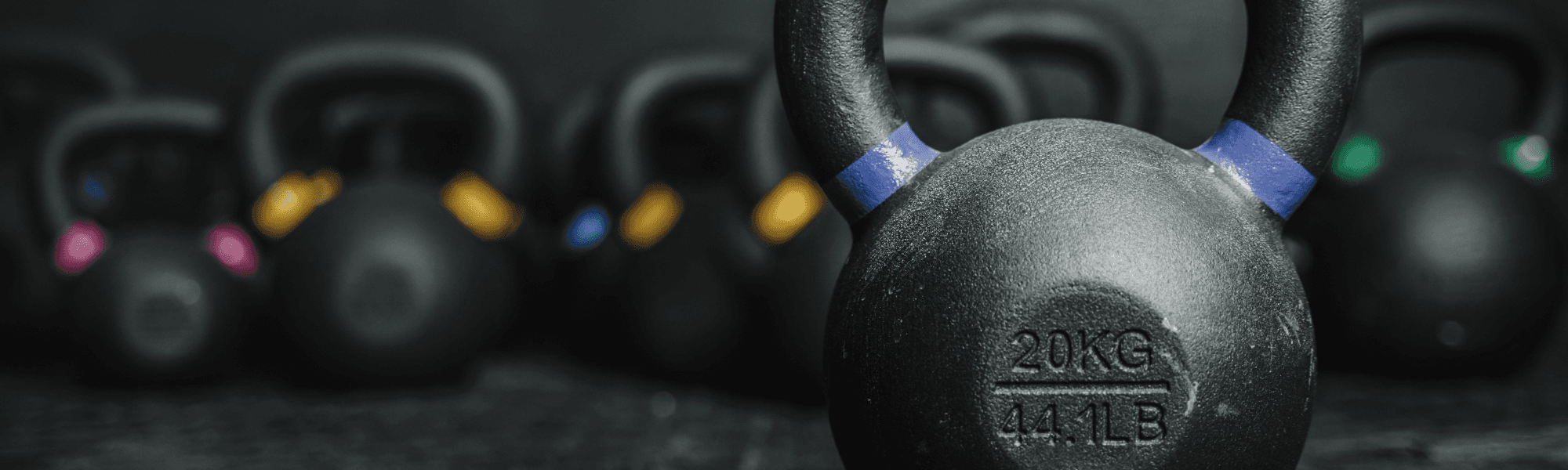
Gaming Fitness: Why Esports Athletes Are Prioritising Health for Peak Performance
19 Feb 2025
Share article
Competitive gaming requires more than just quick reflexes and sharp decision-making—it also demands physical and mental endurance. While traditional athletes focus on strength and agility, pro esports players have realised that fitness is a game-changer for performance.
From preventing fatigue to enhancing reaction time and focus, staying physically active can give gamers a serious competitive edge. If you’re looking to improve your gameplay and maintain long-term health, here’s how esports pros are integrating fitness, nutrition, and cognitive training into their daily lives.
Why Fitness Matters in Esports
Gaming may not seem physically demanding, but long hours of play can take a toll on the body. Sitting for extended periods, repetitive hand movements, and screen exposure lead to fatigue, poor posture, and increased risk of injuries.
The Hidden Costs of a Sedentary Gaming Lifestyle
Wrist and hand strain – Constant mouse and controller use can cause tendon inflammation. Neck and back pain – Poor posture leads to chronic discomfort and stiffness. Slower reaction times – Lack of movement reduces circulation, affecting focus. Eye fatigue and headaches – Prolonged screen time strains the eyes, reducing concentration. Mental burnout – High stress and lack of exercise impact decision-making and endurance.
Pro gamers understand that fitness isn’t just about looking good—it’s about staying sharp, healthy, and consistent in high-pressure environments.
How Pro Gamers Stay Physically and Mentally Sharp
Esports athletes are increasingly adopting fitness routines, proper nutrition, and cognitive training to stay at the top of their game. Here’s what they do differently:
1. Keeping Their Bodies Active
While gaming requires intense mental effort, neglecting physical movement can slow down reflexes and increase fatigue. Many pros incorporate simple but effective exercises to stay active.
Stretching sessions – Loosens stiff muscles and prevents repetitive strain injuries. Core and back workouts – Improves posture, reducing long-term pain. Cardio exercises – Boosts endurance, helping players stay focused for longer periods. Hand and wrist exercises – Increases dexterity and prevents strain from repetitive mouse/controller use.
Even a short 15-20 minute workout a few times a week can have a huge impact on gaming performance.
2. Eating for Focus and Energy
Gaming marathons fueled by junk food and energy drinks might seem like the norm, but pro esports players follow structured nutrition plans to optimise their performance.
What Gamers Should Eat for Peak Performance:
Complex carbs – Whole grains provide steady energy without sugar crashes. Lean proteins – Supports muscle recovery and cognitive function. Healthy fats – Found in avocados and nuts, essential for brain health. Hydration – Water boosts focus and prevents fatigue.
Cutting back on processed snacks and sugary drinks can improve reaction times and concentration, making it easier to stay sharp during long gaming sessions.
3. Improving Reaction Time with Neurotraining
In fast-paced esports titles like CS2, VALORANT, or League of Legends, milliseconds can determine victory or defeat. To stay ahead, many players use cognitive exercises to train their brains.
One popular training method is peripheral vision drills, which help gamers track multiple objects on screen without losing focus.
Peripheral Vision Exercise:
Focus on a fixed point on a board or screen. Try to identify objects around the edges of your vision without moving your eyes. Repeat regularly to enhance awareness and quick decision-making.
By training hand-eye coordination and visual perception, esports athletes can sharpen reaction speed and accuracy during gameplay.
4. Prioritising Recovery: Sleep and Mental Health
Sleep deprivation is a common issue among gamers, but lack of rest leads to slower reflexes, poor decision-making, and mental exhaustion. Pro players prioritize sleep and relaxation techniques to ensure consistent performance.
Better sleep = better gaming. It improves reaction time, focus, and mental endurance, helping players maintain a high level of performance across long tournaments or ranked sessions.
Consistent sleep schedule – Keeps energy levels steady. Screen time limits before bed – Reduces eye strain and improves sleep quality. Mindfulness and relaxation techniques – Helps players manage stress and stay focused.
A Simple Fitness Routine for Gamers
Want to start improving your gaming performance through fitness? Try this quick routine designed for esports players:
Warm-Up (5 Minutes)
Wrist rotations and finger stretches – Prevent stiffness before gaming. Shoulder and neck rolls – Loosen tension from prolonged sitting.
Core Strength & Endurance (10 Minutes)
Planks (3 sets of 30 seconds) – Builds core stability for better posture. Bodyweight squats (3 sets of 10 reps) – Improves leg endurance for long hours of sitting. Push-ups (3 sets of 10 reps) – Strengthens upper body for better control.
Cardio and Mobility (10 Minutes)
Jump rope or jogging (5 minutes) – Increases circulation and energy levels. Standing leg stretches – Improves flexibility and prevents stiffness.
This simple routine takes just 20-25 minutes and can drastically improve endurance, focus, and reaction time.
Conclusion: A Healthy Gamer Is a Better Gamer
The best esports athletes treat their bodies like high-performance machines—fuelling them with the right food, exercise, and recovery routines. By incorporating physical activity, nutrition, and cognitive training, you can enhance your focus, reaction time, and endurance while preventing long-term health issues.
PREVIOUS ARTICLE
NEXT ARTICLE
Related articles
19 Aug 2024
Guide to Starting an Esports Program in Your High School

19 Aug 2024
The Importance of Positive Mental Health in Esports

19 Aug 2024