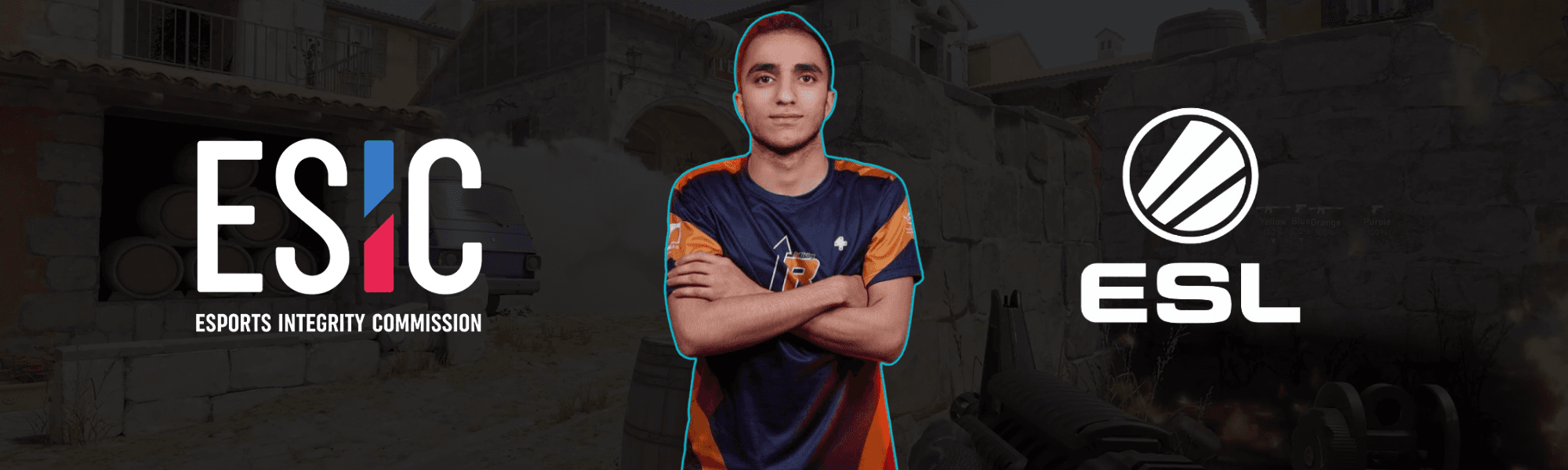
ESIC and ESL Banned CS:GO Pro EmilShe1n for Cheating in 2020
18 Feb 2025
Share article
Young Player Received a Seven-Month Suspension for Violating Competitive Integrity
In May 2020, the Esports Integrity Commission (ESIC) and ESL took disciplinary action against 19-year-old CS:GO pro Emil "EmilShe1n" Mamedov, issuing a seven-month ban from all ESL and ESIC-regulated tournaments. The decision followed an investigation that found him guilty of accessing unauthorized competitive information during an official match.
The incident added to EmilShe1n’s troubled history in competitive gaming, as he had already been banned from FACEIT for previous cheating offenses.
What Led to the Ban?
The violation took place during the ESL CS:GO Premiership Autumn season on April 28, 2020, in a match between Team VAC and Team nerdRage. During a technical pause, called due to connection issues affecting a Team VAC player, EmilShe1n was found engaging in the tournament’s official Twitch chat.
Despite the 3.5-minute broadcast delay, the pause lasted for seven minutes, giving him an opportunity to gather and possibly relay information about the opponent’s in-game economy—a crucial tactical advantage.
ESIC’s investigation confirmed that EmilShe1n had breached multiple integrity rules, leading to swift disciplinary action.
ESIC’s Ruling and Sanctions
After reviewing the case, ESIC determined that EmilShe1n had violated sections 2.11.2 and 2.2.3 of its Code of Conduct. As a result, the following penalties were imposed:
The match result was overturned, awarding Team nerdRage a default win. Team VAC received two major penalty points, leading to a 20% reduction in potential prize money. EmilShe1n was banned from all ESL and ESIC-regulated events until November 29, 2020, coinciding with the conclusion of the ESL CS:GO Premiership Autumn season.
ESIC emphasized that players are strictly prohibited from engaging with tournament broadcasts during a match, reinforcing the importance of maintaining a fair competitive environment.
A History of Competitive Violations
This was not EmilShe1n’s first run-in with esports regulators. Prior to the ESIC and ESL ban in 2020, he had already been banned from FACEIT in 2016 for cheating—something he later admitted in a TwitLonger post in January 2020 while appealing for reinstatement.
However, his latest violation significantly diminished any chances of a successful appeal.
Further investigations from Reddit users in 2018 had already linked him to multiple FACEIT accounts banned for cheating, along with several VAC-banned Steam accounts allegedly tied to him. These past offenses painted a troubling picture of repeated rule-breaking over several years.
The Long-Term Impact of Integrity Violations in Esports
The ban on EmilShe1n in 2020 served as a clear warning to professional players about the serious consequences of violating competitive integrity. With esports continuing to grow as a mainstream industry, regulatory bodies like ESIC play a crucial role in maintaining fair play and ensuring that professional gaming remains a legitimate and respected sport.
For players, teams, and organisations, the case reinforced the importance of following ethical standards. Any form of cheating, whether through software exploits or unauthorised access to information, can have long-term repercussions on a player’s career.
As esports continues to evolve, strict integrity enforcement remains essential in building a trustworthy and fair competitive ecosystem.
PREVIOUS ARTICLE
NEXT ARTICLE
Related articles
19 Aug 2024
Guide to Starting an Esports Program in Your High School

19 Aug 2024
The Importance of Positive Mental Health in Esports

19 Aug 2024